🔒

Mind Foundry Archive

This site is currently in preview. Enter the password to continue.

Start typing to search across the archive

Emails: Search by sender, subject, or content Documents: Curriculum, reports, contracts People: Teachers, staff, contributors Sites: Schools and program locations
Technical Evidence

Seven Years of
Building

The prosecution called Mind Foundry a fraud. Frauds don't employ 15 developers over 7 years to write 2,630 commits across 7 code repositories.

This page documents the technical development of the Mind Foundry Online platform from initial mockups in 2016 through the final code commits in 2023.

7 Years of Development
2,630 Code Commits
15 Developers
7 Repositories
28+ Design Mockups

"Mind Foundry was a shell company created to steal federal funds."

— Government's Theory

If that were true, why did Mind Foundry:

  • Commission professional UI/UX design in 2016—four years before the alleged fraud began?
  • Employ 15 developers across three continents to build real software?
  • Generate 2,630 code commits tracked in Git version control?
  • Maintain 7 code repositories across Bitbucket and GitHub from 2016–2023?
  • Build 217 custom badge designs for a gamification system?

The Development Timeline

Each phase below represents documented work with verifiable timestamps. Design files carry creation dates. Git commits carry timestamps. The evidence trail is unbroken from 2016 to 2023.

01
September – December 2016

Original Design & Vision

Professional mockups and planning

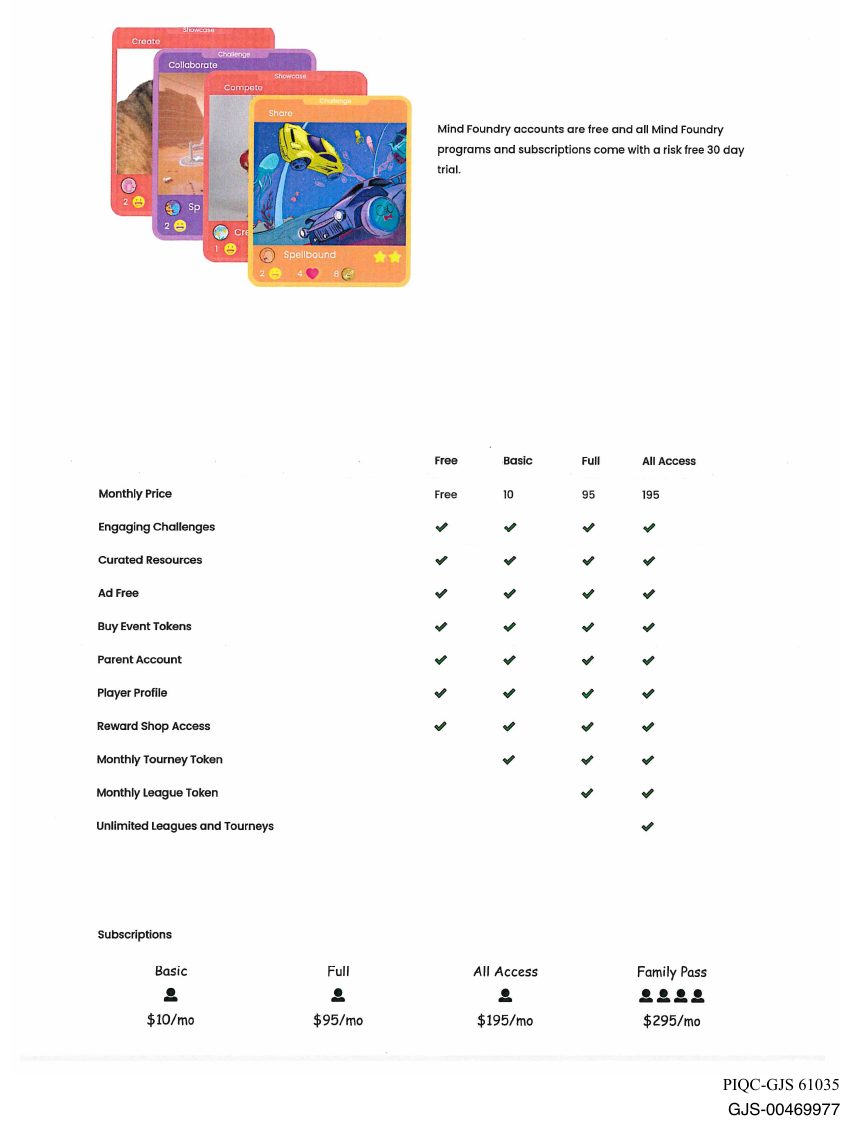
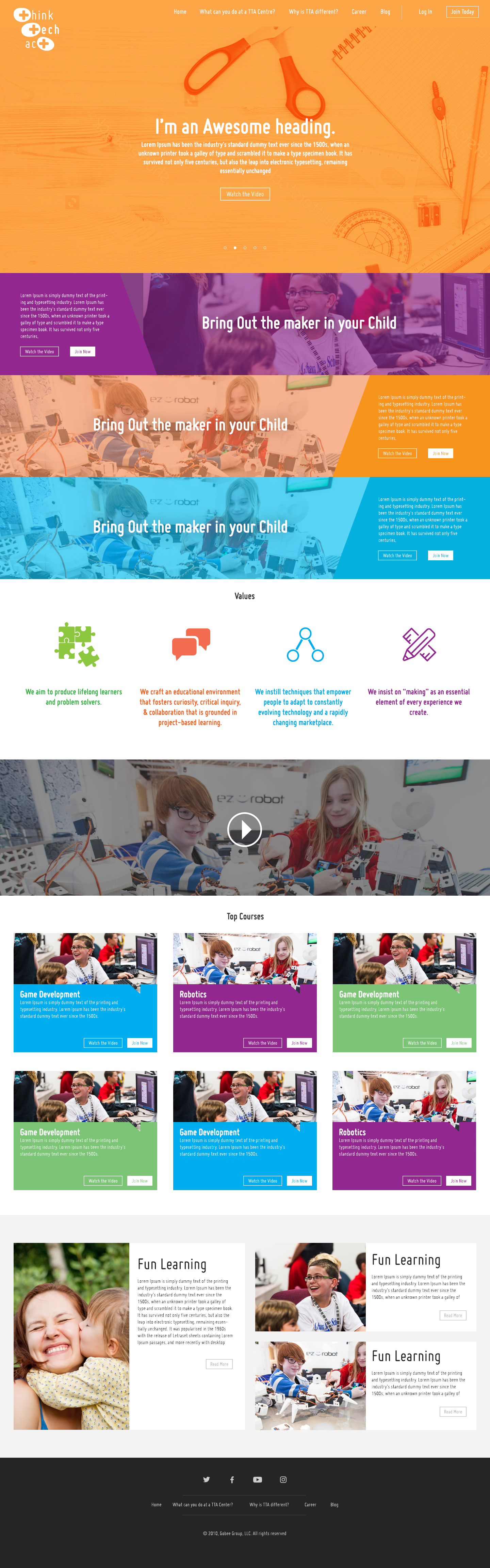
Mind Foundry commissioned professional UI/UX design for an online learning platform. These mockups show a complete vision: parent dashboards, child portfolios, course calendars, billing systems, and registration flows.

Documented Evidence:

  • Design brief document (October 2016)
  • Homepage mockups with vibrant STEM aesthetic
  • Parent Dashboard with activity scheduling
  • Child Portfolio with badges and skills tracking
  • Course Calendar with class scheduling
  • Complete registration and billing flows
  • Website copy and content documents
These professional mockups predate the Feeding Our Future program by 4 years.
02
December 2016 – September 2019

Meteor Platform v1

Full-stack web application (Bitbucket)

A team of developers built the first Mind Foundry web application using Meteor.js with MongoDB. The codebase includes user management, class scheduling, enrollment systems, Stripe billing, and attendance tracking. This Bitbucket repository predates the later GitHub development.

420 commits
283 files
3 developers

Documented Evidence:

  • 400+ Git commits tracked in Bitbucket
  • 283 source files (JavaScript, HTML, CSS)
  • 25 data schema modules (Classes, Enrollments, Sessions, etc.)
  • Stripe payment integration with subscriptions
  • User roles: students, parents, teachers, managers, admins
  • Class attendance tracking system
  • Session and course scheduling
  • MongoDB database with exported collections
The Bitbucket commit history shows continuous development from late 2016 through 2019—years before any alleged fraud.
03
January – March 2017

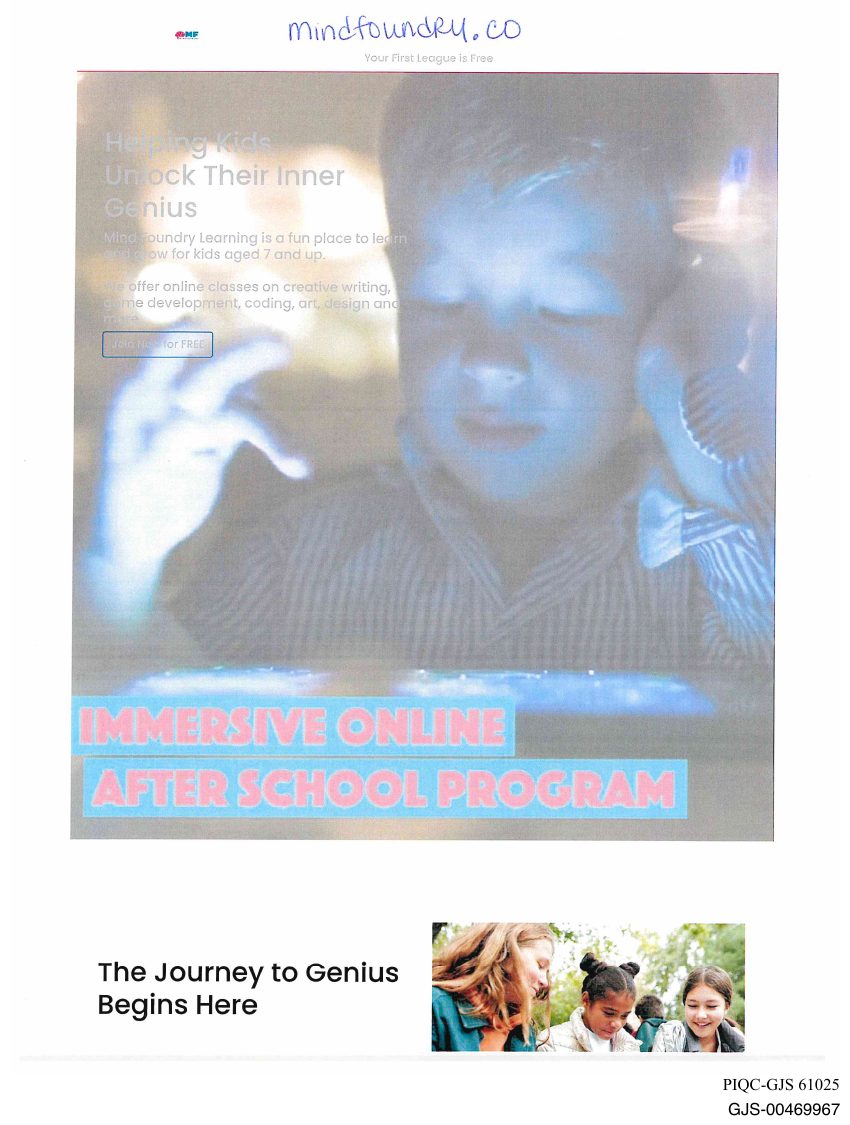
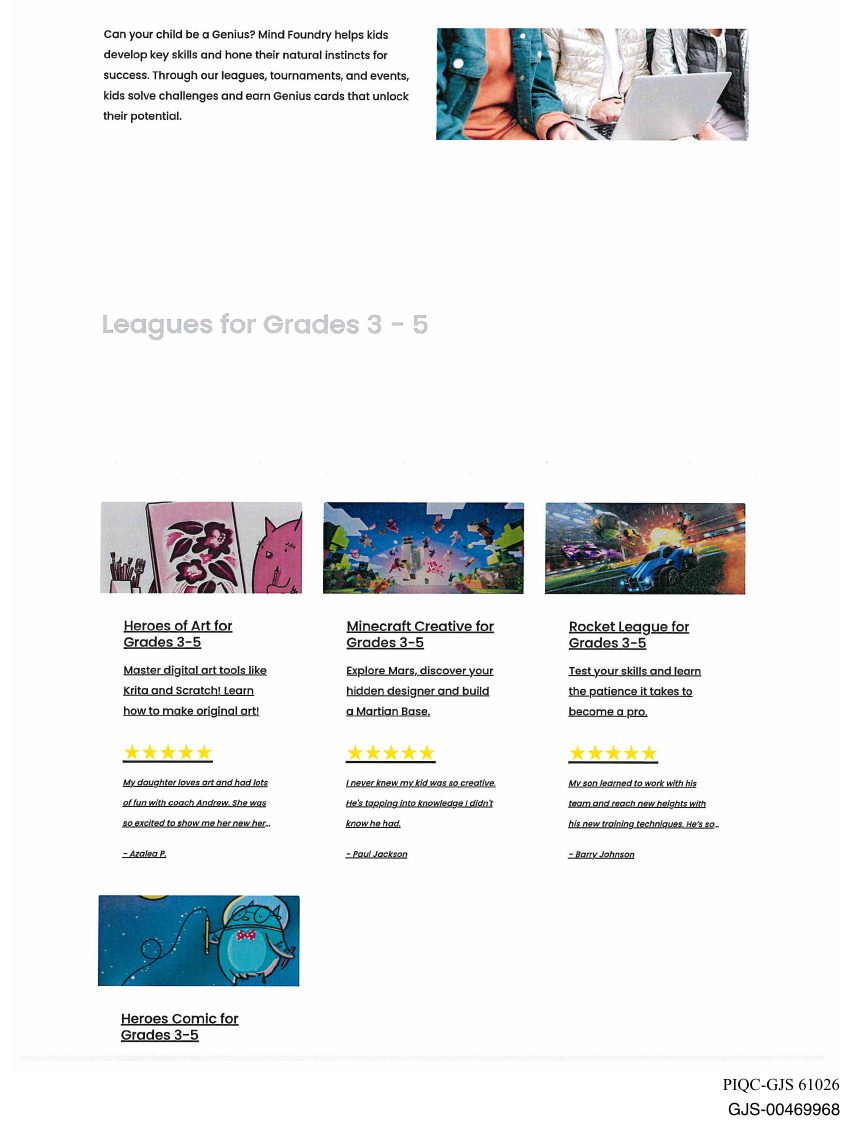
Public Website Launch

Marketing site goes live

The original Mind Foundry website launched, featuring program information, registration, and course descriptions. Development documents track UI changes and a detailed punchlist of refinements.

Documented Evidence:

  • Mind Foundry UI Changes document (January 2017)
  • Homepage Draft document (February 2017)
  • Punchlist documents (March 2017)
  • Web Course Descriptions folder
  • Mind-Foundry.zip archive of original site
The punchlist shows iterative refinement—the kind of detail work that doesn't happen with a fake company.
04
2017 – 2018

Platform Infrastructure

AWS deployment and scaling

Technical documentation shows AWS deployment planning, milestone tracking, and requirements specifications. This represents serious infrastructure investment.

Documented Evidence:

  • Mind Foundry AWS Deployment document (January 2018)
  • Mind Foundry Milestones spreadsheet (April 2018)
  • Mind Foundry Requirements document
  • Technical settings and configuration files
AWS deployment documentation shows real infrastructure investment, not a paper operation.
05
December 2020 – 2021

Django Platform v1

Full-stack web application

A team of developers built a complete Django web application with user authentication, clubs, challenges, badges, leagues, and tournaments. The codebase spans nearly 300MB with 750+ commits.

752 commits
2,498 files
5 developers

Documented Evidence:

  • 752 Git commits
  • 2,498 source files
  • 10 contributors
  • PostgreSQL database with 20+ models
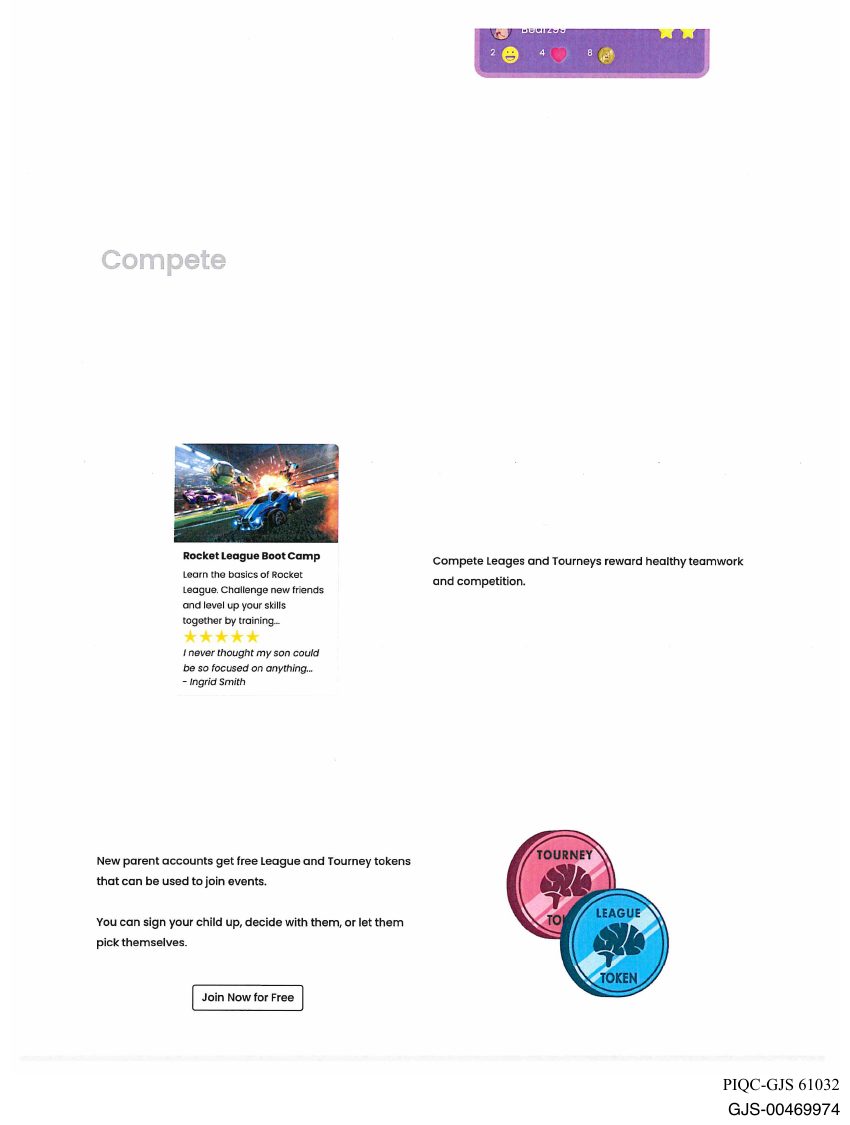
  • User roles: players, parents, teachers, coaches
  • Social features: friends, clubs, notifications
The git history shows daily commits over 26 months—sustained development work.
06
July – August 2021

Gamification UI Sprint

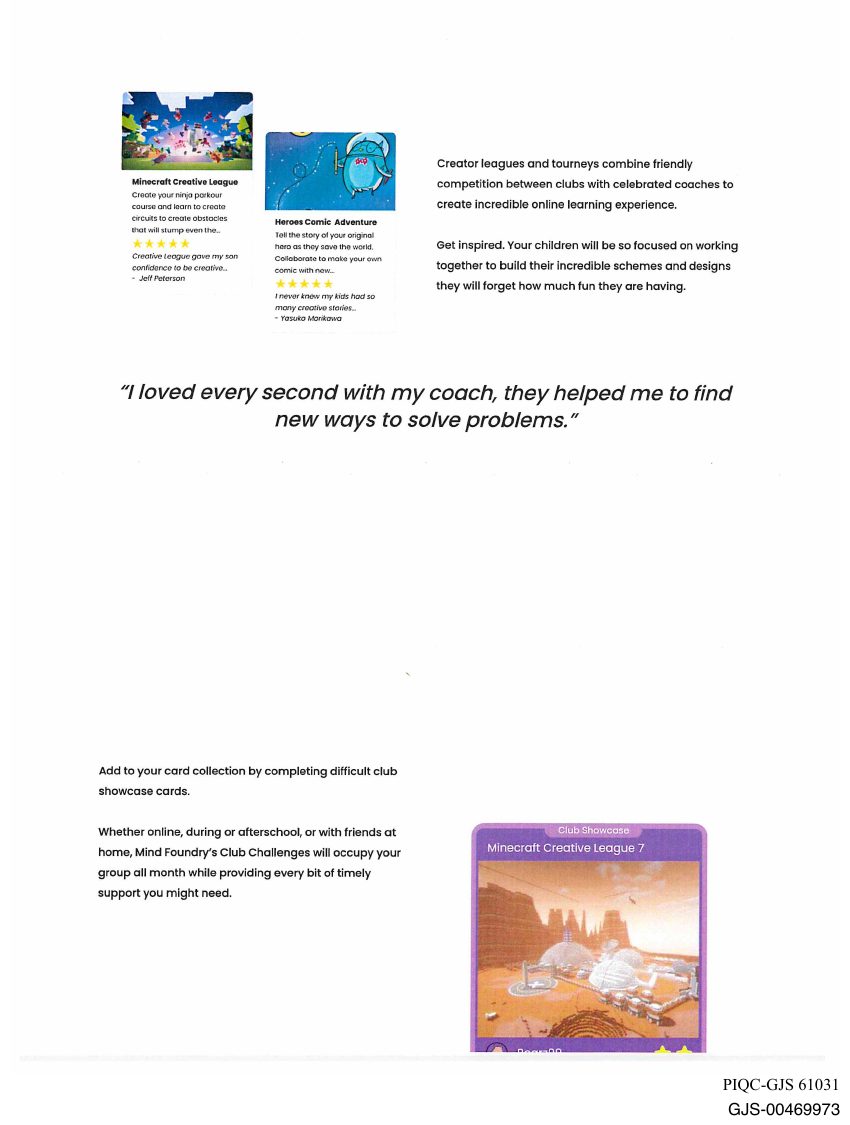
Card-based interface experiment

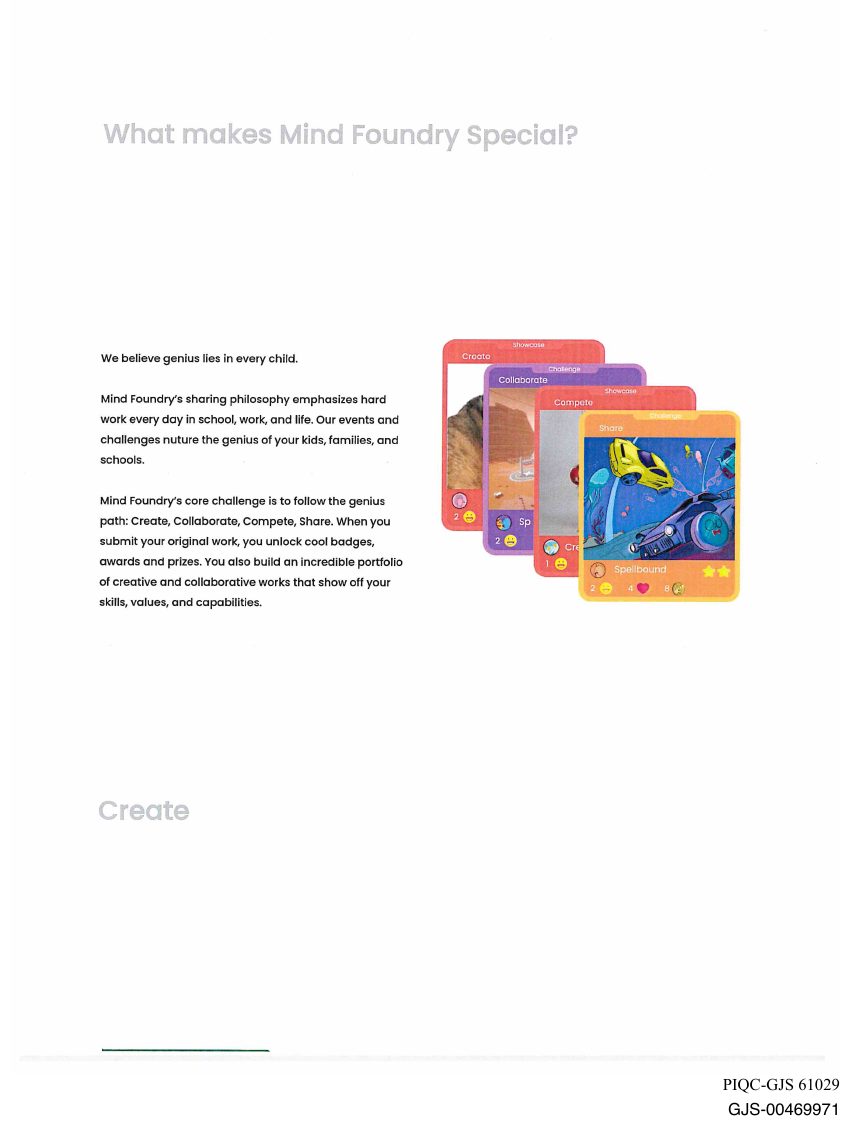
An intense 5-week sprint produced a revolutionary card-based interface where every piece of content—challenges, badges, events, profiles—became collectible cards with animations, shininess levels, and deck mechanics.

368 commits
405 files
2 developers

Documented Evidence:

  • 368 commits in 36 days (~10/day)
  • Card pack and deck systems
  • Tutorial and onboarding flows
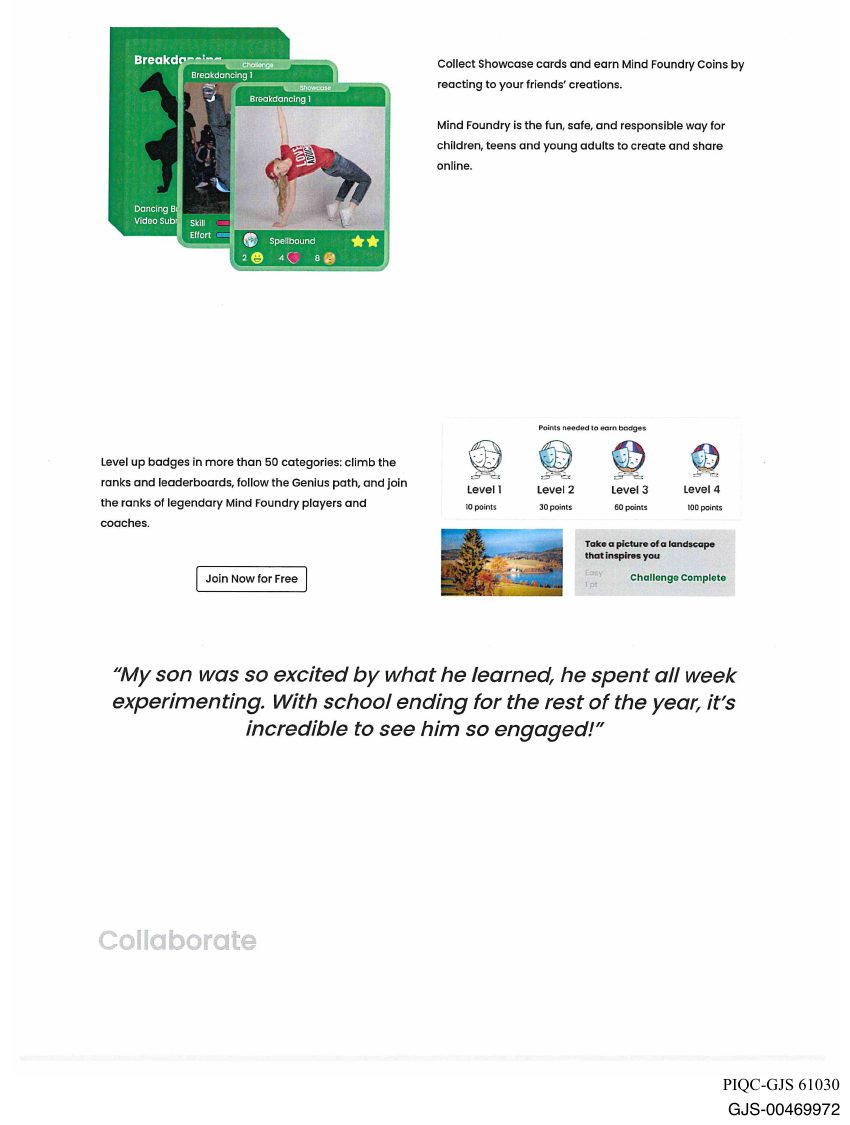
  • 217 custom badge designs (4 levels each)
  • Demo modes for new players, coaches, GMs
  • Masonry layouts and card effects
368 commits in 5 weeks shows an intense creative sprint—not the work of a shell company.
07
2021 – 2022

Figma Design System

Comprehensive UI/UX design

A 412MB Figma file contains hundreds of design iterations, component systems, and mockups for the "Inspire" platform evolution. This represents months of design work.

Documented Evidence:

  • 412MB Figma design file
  • 474 embedded image assets
  • Multiple design iterations
  • Component library and style guide
  • MF0 Commissioning specification (15 pages)
A 412MB Figma file represents months of design work, not a facade.
08
March 2022 – January 2023

Modern API Architecture

REST API and React frontend

The platform was rebuilt with modern architecture: a Django REST Framework API backend with JWT authentication, WebSocket support, and a React frontend with Redux state management.

685 commits
948 files
3 developers

Documented Evidence:

  • 514 API commits + 171 frontend commits
  • Django REST Framework with Swagger docs
  • JWT authentication system
  • WebSocket real-time features
  • React 17 with Redux and Tailwind CSS
  • Stripe payment integration
Modern API architecture with comprehensive documentation—real engineering, real investment.

2016 Design Mockups

These professional mockups were created in late 2016—four years before the Feeding Our Future program began. They show a complete vision for an educational platform with parent dashboards, child portfolios, and course scheduling.

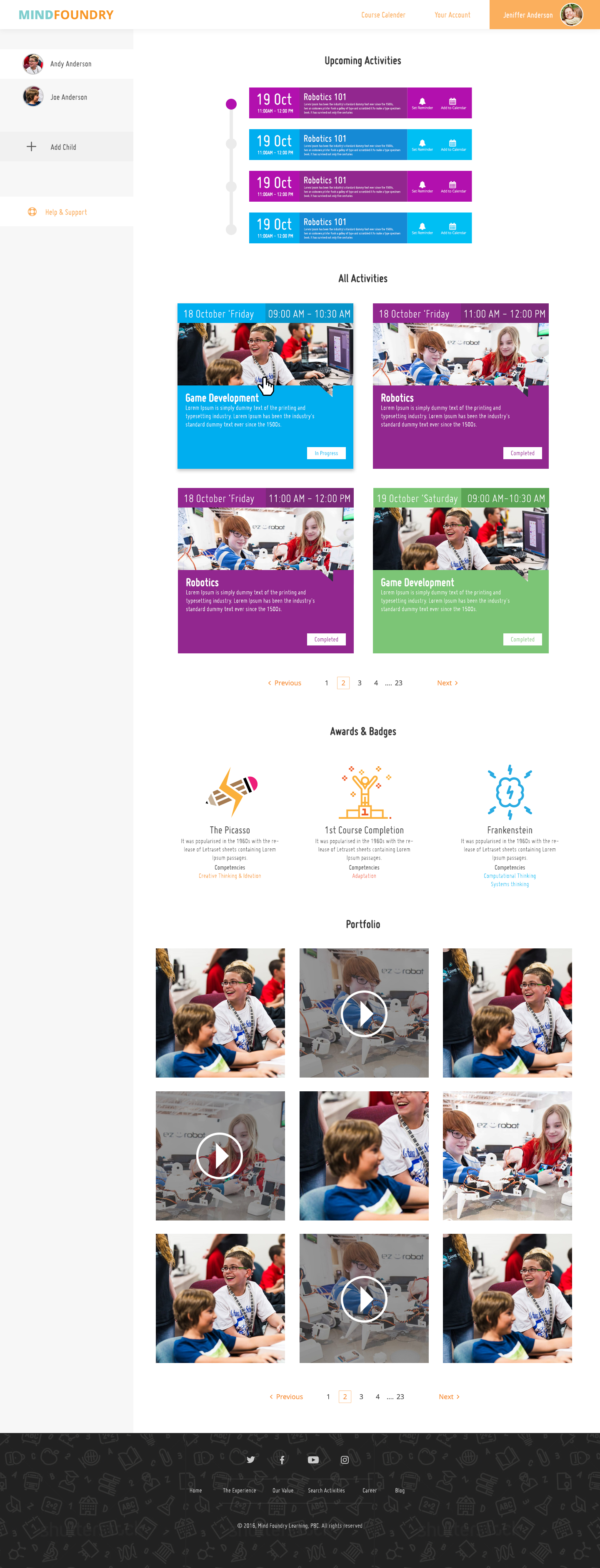
Parent Dashboard Mockup
December 2016

Parent Dashboard

Activity scheduling, badges, and video portfolio

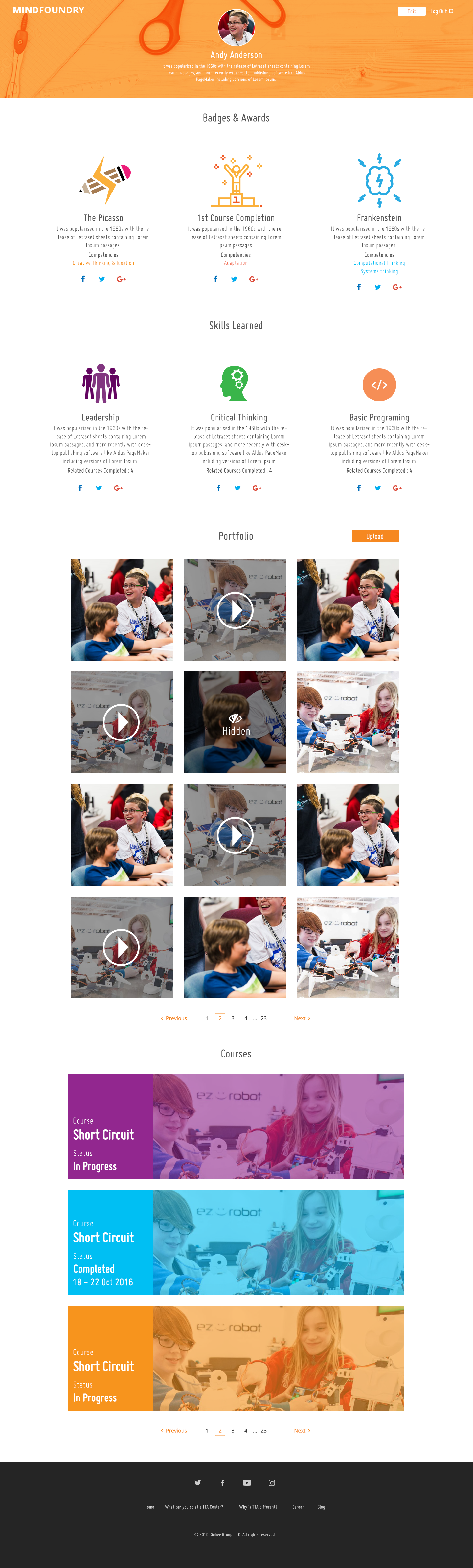
Child Portfolio Mockup
December 2016

Child Portfolio

Skills tracking, badges, and project showcase

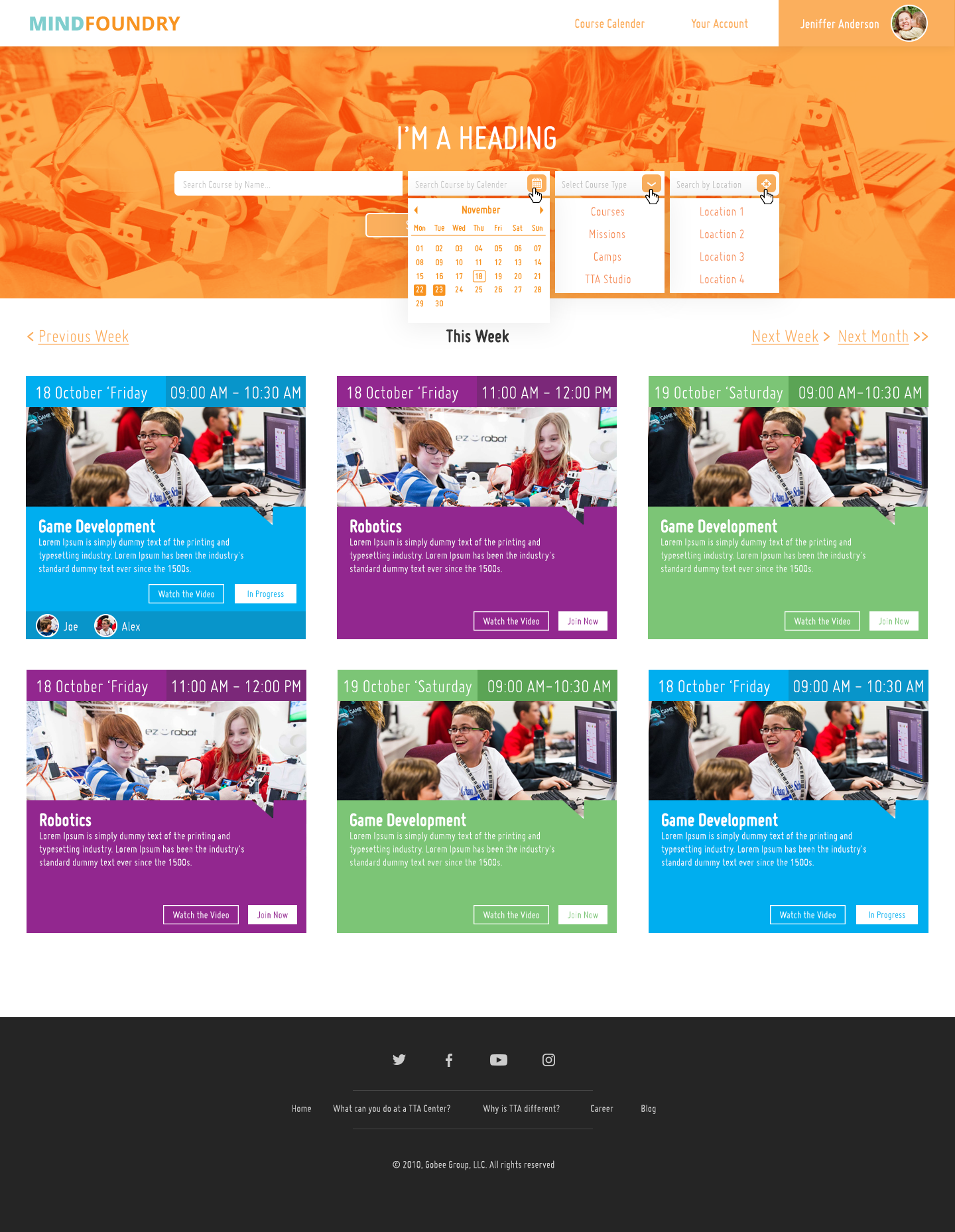
Course Calendar Mockup
December 2016

Course Calendar

Weekly scheduling with Robotics, Game Development courses

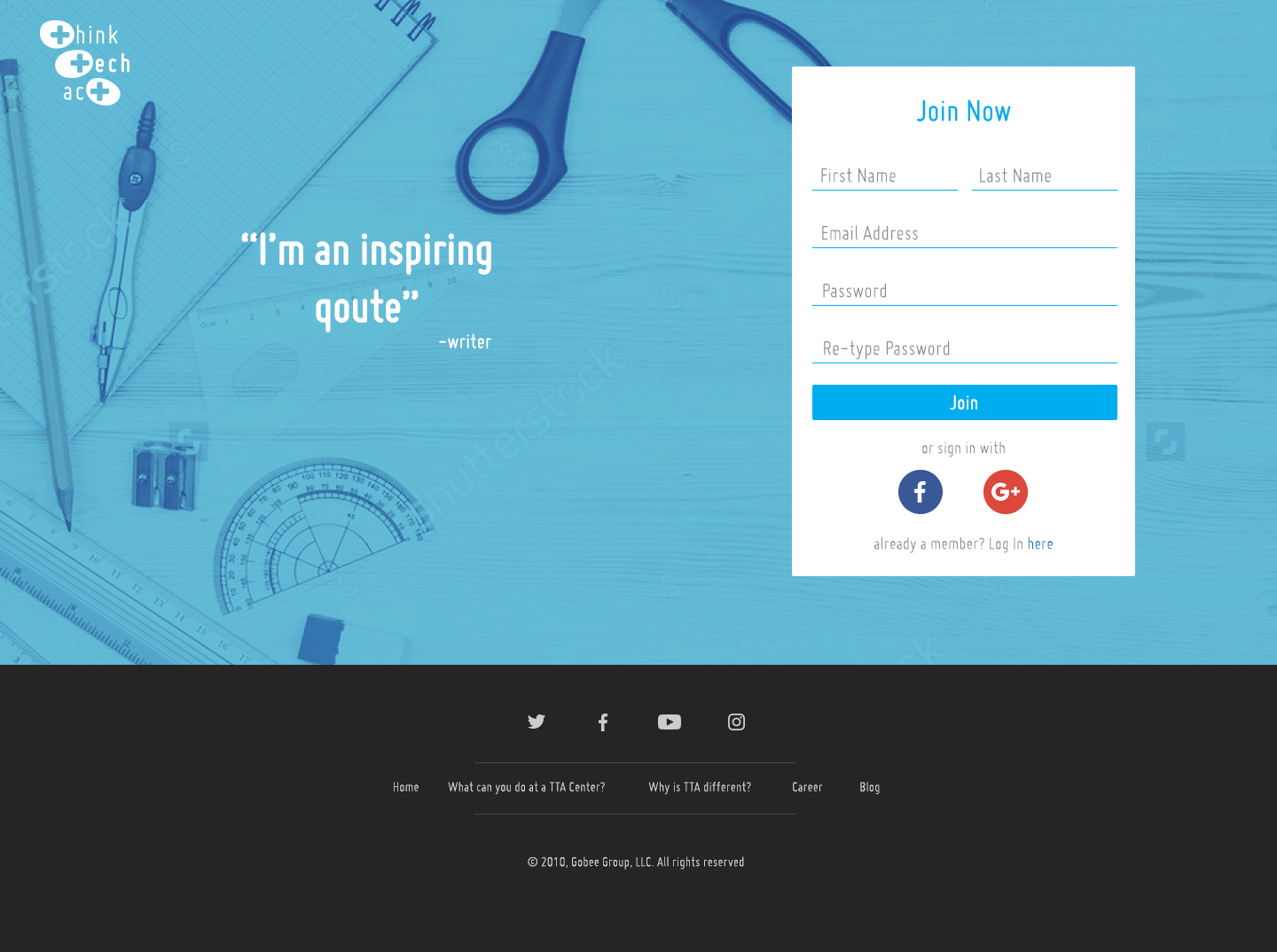
Registration Page Mockup
December 2016

Registration

Sign-up flow with social login options

Custom Badge Designs

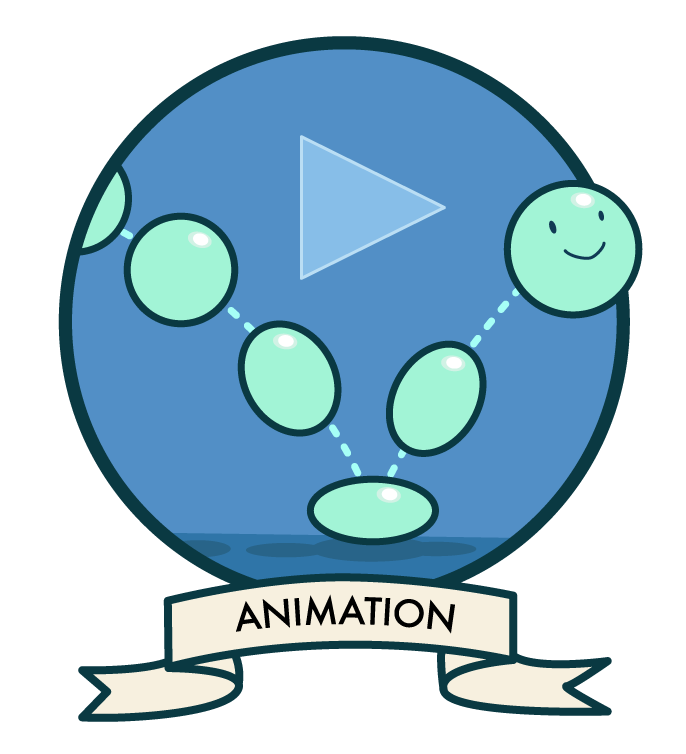
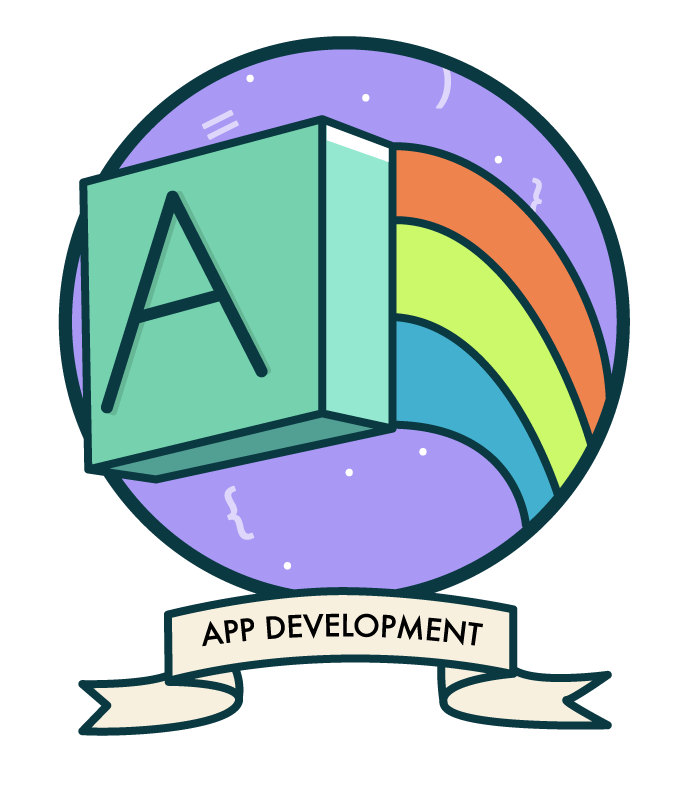
Mind Foundry commissioned 217 custom badge illustrations across 50+ skill categories, each with 4 progression levels. These aren't stock graphics—they're original artwork designed specifically for the platform's gamification system.

Animation

4 progression levels showing mastery growth

Animation Level 1 Level 1
→
Animation Level 4 Level 4

App Development

STEM-focused skill progression

App Dev Level 1 Level 1
→
App Dev Level 4 Level 4

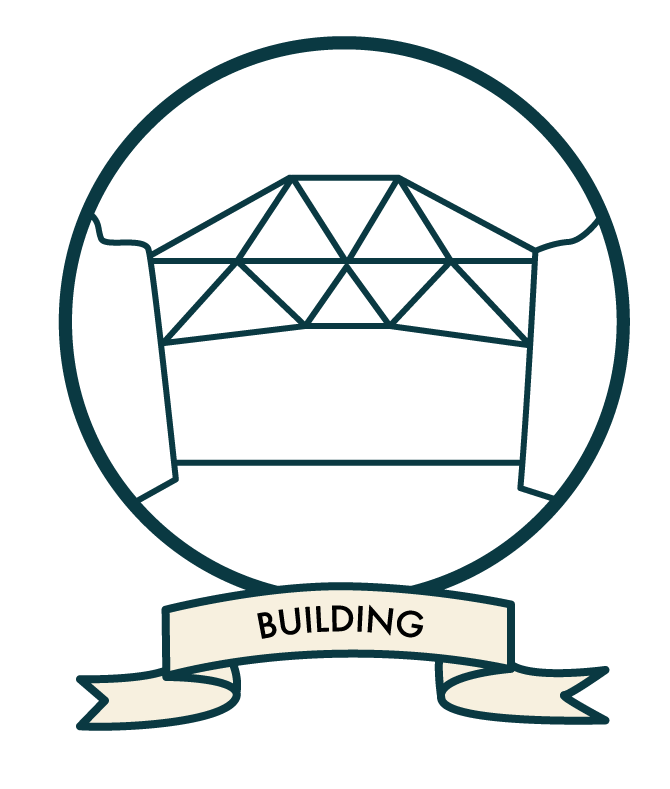
Building

Maker/engineering skills

Building Level 1 Level 1
→
Building Level 4 Level 4

Cooking

Life skills curriculum

Cooking Level 1 Level 1
→
Cooking Level 4 Level 4
217 Total Badge Designs
50+ Skill Categories
4 Levels Per Badge
Why this matters: Custom artwork at this scale represents significant investment. These badges were designed to motivate children through visible progress—the same psychology used by Duolingo, Khan Academy, and other leading edtech platforms.

Figma Design System

A 412MB Figma design file contains hundreds of design iterations, component systems, and UI mockups for the "Inspire" platform evolution. This represents months of professional design work.

412 MB File Size
474 Embedded Assets
2021–22 Active Design Period
The original Figma file (Inspire Drafts.fig) is available for inspection. It contains the complete design history with timestamps.
Figma Design Canvas Overview Canvas overview showing multiple design artboards

Code Repositories

Seven code repositories—starting with Bitbucket in 2016 and continuing through GitHub—contain the complete development history. Each commit is timestamped and attributed to a specific developer.

mindfoundry (Bitbucket)

Meteor platform v1

420 commits Meteor.js, MongoDB

mind-foundry

Django platform v2

752 commits Django 3.1, PostgreSQL

MindFoundry

Gamification UI

368 commits HTML/CSS/JS

mind-foundry-v2

Stabilized Django

405 commits Django (refactored)

get-inspire-api

REST API backend

514 commits Django REST Framework

inspire-org

React frontend

171 commits React 17, Redux, Tailwind
Total Commits Across All Repositories: 2,630

The Development Team

Fifteen developers contributed to the Mind Foundry platform. Their work is documented in Git commit history with timestamps spanning from 2016 to 2023.

AK

Aram Kocharyan

Meteor Platform Lead

350 commits 2016–2019
SP

Srijan Pokhrel

Full Stack Developer

748 commits 2021–2023
KB

Krishna Bhandari

Django Backend Lead

364 commits 2020–2021
GL

Gregry Livingston

Gamification UI Designer

288 commits 2021
RI

Raghib Islam

Backend Developer

227 commits 2021–2022
A

Andrew

UI/UX Development

123 commits 2021
NK

Navin Kharel

React Frontend

96 commits 2022–2023
JK

Jabir Khan

Django Features

69 commits 2021
AS

Alexis Santos

Meteor UI Development

45 commits 2017
AG

Adrian Ghiula

Meteor Features

25 commits 2017–2019
D

DigitalPath2000

Frontend Development

49 commits 2022
RK

Rahul Kumar

Platform Refactor

22 commits 2021–2022

Platform Features

The platform includes sophisticated features found in leading educational technology platforms. Each feature below is verified against the actual codebase—file paths reference real code you can examine in the repositories.

User Management

authuser/models.py: CustomUser, Profile, FriendRelation
  • Seven user types: Student, Creator, Teacher, Parent, Program Provider, Administrator, Admin
  • JWT authentication with refresh tokens (SimpleJWT)
  • Google OAuth social login integration
  • Email verification with token-based activation
  • Password reset with secure token generation
  • Profile with avatar, cover image, bio, address, privacy settings
  • Age-based content restriction (under-12 filtering)
  • Friend system with Send/Accepted/Cancel status tracking

Badge & Progression System

badge/models.py: Badge, BadgeType, UserBadgePoint, BadgeOrder
  • Three badge categories: Skill, Career, Subject
  • Badge progression with user point tracking per badge
  • Badge units with multiple chapters and challenges
  • Focus badges feature for personalized learning paths
  • 217 custom badge designs with 4 difficulty levels each
  • Leaderboard system tracking user badge points
  • Badge filtering and search functionality

Challenge System

challenge/models.py: Challenges, ChallengeType, LessonPlan, Standards
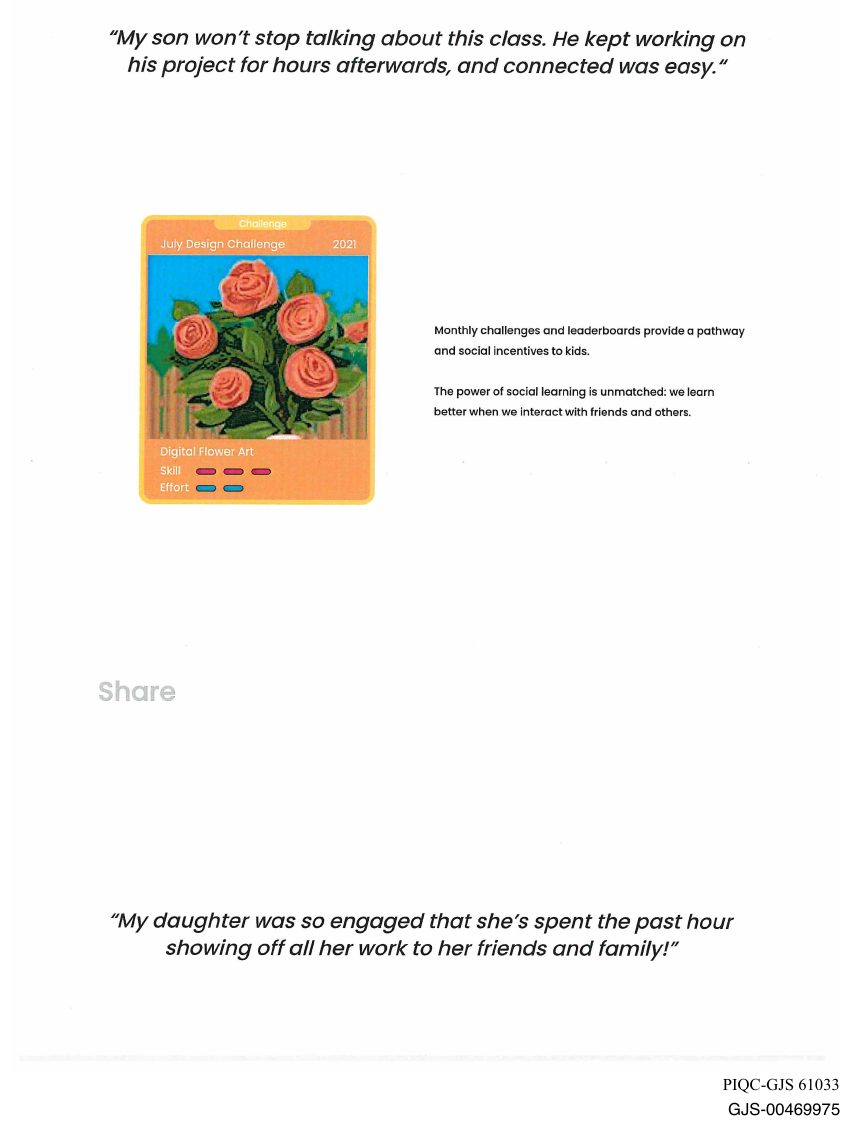
  • Four challenge types: Create, Share, Collaborate, Compete
  • Five media types: Video, Audio, Image, Text, Link
  • Difficulty levels: Very Easy through Very Hard (effort + skill)
  • Lesson plans with brainstorm, steps, and discussion prompts
  • Educational standards alignment (Standards model)
  • Challenge resources with rich text (CKEditor)
  • Badge-challenge unit mapping with chapters
  • Content restriction for age-appropriate filtering

Student Showcase (Artifacts)

artifact/models.py: Showcase, VisibilityType, SubmittedArtifactStatus
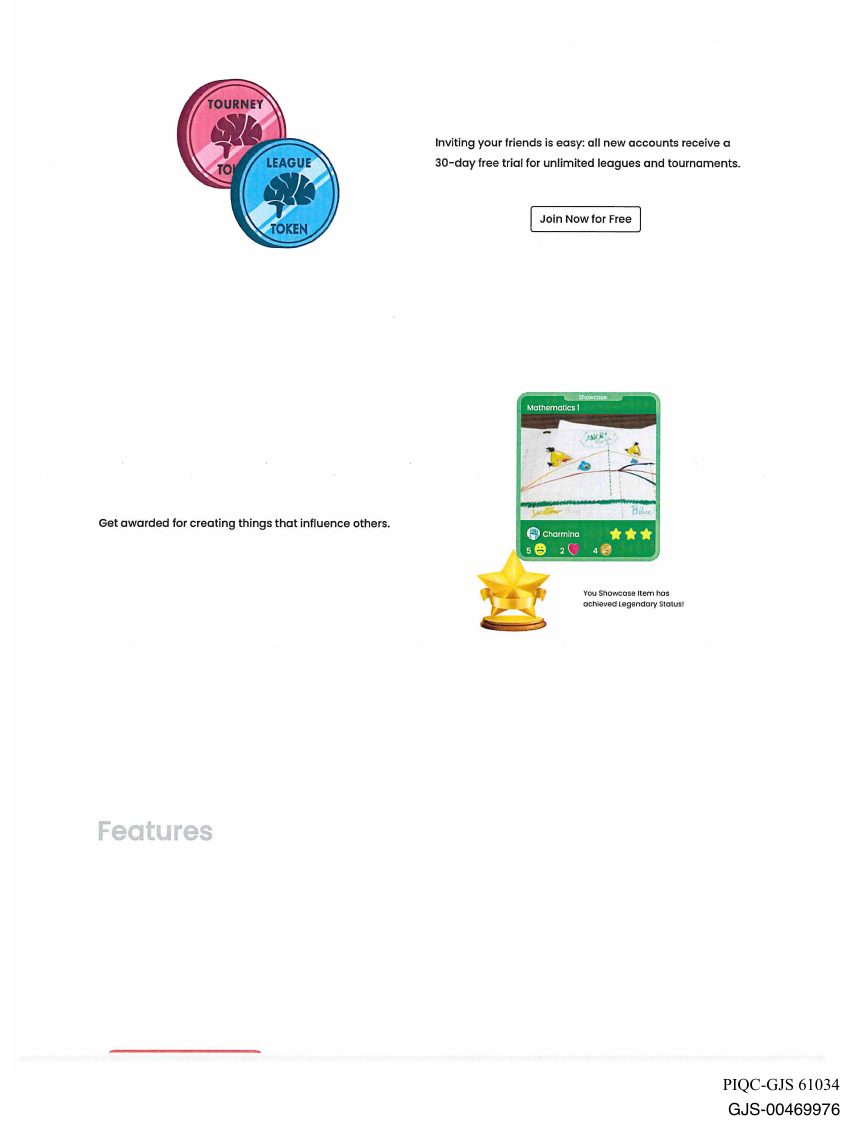
  • Student work submission with multiple authors
  • Visibility controls: Public, Private, Friends-only
  • Coach review workflow: Accepted, Rejected, Not Reviewed
  • Rich text descriptions (CKEditor integration)
  • File upload support for student work
  • URL linking for external projects
  • Coin rewards system tied to showcases
  • Content reporting with 9 report types (abuse, harassment, spam, etc.)

Social & Community

authuser/models.py, comments/models.py, reaction/models.py, notification/models.py
  • Friend requests with status tracking
  • Mutual friends discovery
  • Generic comment system (works on any content type)
  • Nested comment replies
  • Five reaction types: Like, Love, Wow, Clap, Cool
  • Real-time notifications with WebSocket (Django Channels)
  • Communities with Public, Approval-needed, and Private join options
  • Coin rewards triggered by reactions (signal-based)

Subscription & Payments

subscriptions/models.py, stripe/ components
  • Subscription tiers: Free, Creator, Student, Teacher, Parent, Program Provider, Administrator
  • Stripe customer ID integration on user profiles
  • Payment method attachment and default setting
  • Communities feature with member management
  • Stripe checkout integration in React frontend

Content Management

blog/models.py, challenge/models.py
  • Blog system with Blog and Product post types
  • Author attribution and reading time estimates
  • Slug-based URLs for SEO
  • Order numbering for content prioritization
  • Rich text editing with CKEditor and file uploads
  • Active/inactive status for draft management

Frontend Architecture

inspire-org/src/components/
  • React 17 with Redux state management
  • Tailwind CSS for styling
  • Socket.io real-time updates
  • 18+ component categories including Challenges, Showcase, Profile, Dashboard
  • Skeleton loading states for better UX
  • Google OAuth button integration
  • Privacy policy and Terms of Service pages
  • Mobile-responsive design

Industry-Standard Features

The Mind Foundry platform includes features commonly found in leading educational technology platforms like Khan Academy, Duolingo, and ClassDojo.

Feature Mind Foundry Implementation Industry Examples
Badge/Achievement System ✓ Yes - 217 badges, 3 categories, progression tracking Duolingo (achievements), Khan Academy (badges), ClassDojo (points)
Challenge-Based Learning ✓ Yes - 4 challenge types with difficulty levels Khan Academy (exercises), Duolingo (lessons), Codecademy (projects)
Student Portfolio/Showcase ✓ Yes - multimedia submission with coach review Seesaw (portfolios), Google Classroom (assignments)
Social Learning ✓ Yes - friends, comments, reactions, communities ClassDojo (class stories), Edmodo (social feed)
Gamification Currency ✓ Yes - coins earned from challenges and reactions Duolingo (gems), Khan Academy (energy points)
Parent/Teacher Roles ✓ Yes - 7 distinct user types with permissions ClassDojo (parent app), Khan Academy (teacher dashboard)
Standards Alignment ✓ Yes - Standards model linked to challenges Khan Academy (Common Core), IXL (standards)
Subscription Tiers ✓ Yes - Stripe integration with multiple tiers Duolingo Plus, Khan Academy donations

What this proves: Mind Foundry was building a legitimate educational technology platform with the same features as industry leaders. This is not the work of a shell company—it's the work of a real edtech startup.

What This Evidence Proves

Pre-Existing Intent

Platform development began in 2016—four years before any federal food program involvement. This wasn't a scheme; it was a long-term educational technology project.

Real Development Team

Fifteen developers across multiple continents contributed code. Their identities, commit histories, and work are documented in version control.

Verifiable Work Product

2,630 commits are individually timestamped and attributable. This is not documentation that can be fabricated after the fact.

Continuous Investment

Development continued through 2023—well after the FBI raid. If this were a fraud, why keep building?

The Code Doesn't Lie

Git version control creates an immutable record. Every commit is timestamped. Every line of code is attributed. The history cannot be altered without detection.

This is what seven years of real work looks like.